Garden lighting in Clapham: practical outdoor lighting for homes, gardens and business spaces
If you are looking for garden lighting in Clapham, you may already know that the right outdoor lighting does more than brighten a space. It can make a small garden feel bigger, help you use patios and terraces after dark, improve safety on steps and pathways, and bring out the best features of a property. In a busy part of South London like Clapham, where homes range from Victorian terraces and converted flats to modern mews-style properties and commercial premises, outdoor lighting needs to be both attractive and practical. A well-planned system can transform a garden without making it feel overdone.
Local customers often want lighting that suits the way they actually live. That might mean soft lighting for evening gatherings, subtle path lights for safer access, or brighter task lighting near seating, kitchens, and side returns. It could also mean lighting for front gardens, shared entrances, courtyards, communal areas, or hospitality spaces that need to feel welcoming after dark. Whatever the property type, a local installer understands the challenges of Clapham homes, including limited access, narrow side passages, neighbouring properties, and the need to work neatly and respectfully.
Our approach to garden lighting is focused on creating a solution that feels natural in the space. Rather than flooding an area with harsh light, the aim is usually to layer light carefully so that the garden looks inviting and remains easy to use. If you are comparing options, thinking about installation, or planning an upgrade, this page explains what is included, what affects pricing, how the work is carried out, and why a local team is useful. Contact us today if you are ready to discuss your project or request a free quote for your Clapham property.
Why garden lighting matters for Clapham properties

Garden lighting is often requested for one simple reason: people want to enjoy their outdoor space for longer. In Clapham, where many gardens are compact but carefully designed, lighting can make an evening seating area feel comfortable and usable without needing major landscaping changes. Good lighting also helps highlight planting, boundary walls, decking, steps, water features, and pergolas. Even a modest outdoor space can feel more polished when light is placed thoughtfully.
For many households, the practical side matters just as much as the look. Path lights can reduce the risk of trips, step lighting can improve visibility, and motion-activated lighting can make side access and rear entrances safer. This is especially useful in properties with uneven paving, older brickwork, or shared access routes. In busier streets around Clapham Common, Clapham Old Town, Abbeville Village, and nearby residential roads, discreet lighting can also help a property feel secure and cared for without looking intrusive.
For commercial customers, garden and outdoor lighting can support a better first impression. Restaurants, cafés, pubs, boutique offices, and hospitality venues benefit from lighting that creates atmosphere while keeping entrances, terraces, and exterior walkways safe for customers and staff. Well-designed outdoor lighting is not just decorative; it is part of how a property functions after sunset.
What is included in a garden lighting service?

A professional garden lighting installation usually begins with a site visit or consultation to understand the layout, existing electrics, and how you want the space to be used. The aim is to design a lighting plan that suits the garden, the building, and your everyday routine. This might include feature lighting, practical illumination, low-level accent lights, or a combination of all three.
Typical service elements can include:
- Assessing the outdoor area and identifying key lighting points
- Discussing the desired effect, from subtle ambience to brighter functional lighting
- Checking access to power supply and planning cable routes
- Choosing suitable fittings for weather exposure and style
- Installing exterior-rated wiring, transformers, sensors, or control gear where needed
- Testing the system and making sure controls are easy to use
- Giving practical advice on maintenance and future adjustments
Depending on the space, the project may also involve lighting integration with decking, fencing, steps, planting beds, or garden buildings. Some clients want a simple upgrade to a small area, while others need a more complete outdoor lighting scheme. Either way, the work should be planned around how the garden will actually be used, not just how it looks on paper.
H4: Common lighting types for Clapham gardens
Different homes need different solutions. A courtyard in a converted Clapham property may benefit from wall lights and uplighters, while a larger rear garden could use a mix of spike lights, deck lights, and path illumination. Front gardens and entrance areas often need a balance between visibility and a welcoming appearance. In some cases, low-voltage systems are preferred for flexibility and a softer visual effect.
Garden lighting ideas that work well locally

Clapham gardens often have strong character, and the best lighting plans tend to reflect that. In a traditional terrace garden, gentle wall washing can help brickwork and planting stand out without overpowering the space. In a contemporary extension with bifold doors, warm lighting near the patio can create a smooth transition from indoors to outdoors. For homes with mature planting, spotlighting key trees or shrubs can add depth and make the garden feel larger at night.
Popular approaches include:
- Path and step lights to guide movement safely
- Feature uplighting for trees, sculptures, or textured walls
- Deck and terrace lighting for seating areas and entertaining spaces
- Wall lights for boundaries, dining areas, and entrances
- String or festoon-style lighting for social spaces and casual atmospheres
- Sensor-controlled lighting for convenience and security
- Subtle accent lighting for planting beds and architectural details
The right choice depends on the size of the garden, the amount of natural shade, and whether the space is mainly used for relaxing, entertaining, or practical movement. Warm white lighting is often popular in residential gardens because it feels calmer and more inviting than very cool lighting. For commercial spaces, slightly brighter or more directional lighting may be used to support visibility and foot traffic.
H3: Matching lighting to the property
One of the main advantages of working locally is the ability to match lighting to the style of the property. Clapham includes period homes, maisonettes, ground-floor flats with gardens, courtyard developments, and mixed-use buildings. Each type brings different installation considerations, from preserving a neat appearance to dealing with limited space for cabling or access around the back of the building.
How the installation process usually works

A well-managed project should feel straightforward from start to finish. Customers often want clarity about what happens first, how long the work may take, and what preparation is needed. While every job is different, the process typically follows a clear sequence that keeps the project organised and reduces disruption.
Step 1: Consultation and planning
The project begins with discussing your goals. You may want the garden to feel more usable in the evening, need better visibility for steps or a side passage, or want to create a stronger design feature. This is when the layout, power supply, control options, and preferred appearance are considered.
Step 2: Lighting design and product selection
Next comes the selection of fittings and the arrangement of light points. The focus is on practical placement and a neat finish. In smaller Clapham gardens, careful spacing is especially important, because a few well-placed lights can achieve more than a large number of fittings.
Step 3: Installation
Installation may include cable routing, fixture mounting, controller setup, and connection to the existing electrical system where appropriate. In many cases, the work needs to be completed with consideration for paving, planting, fencing, and neighbouring boundaries. A tidy installation is particularly important where access is limited.
Step 4: Testing and adjustment
Once the lighting is installed, each zone should be tested. Beam angles, brightness levels, and sensor settings may be adjusted so that the final result feels balanced. If the garden has seating, dining, or entertaining zones, those areas may need slightly different lighting levels to other parts of the space.
Step 5: Handover and advice
A proper handover should include simple guidance on how the system works, how to use any timers or sensors, and what to do if you want future changes. This helps ensure the garden lighting remains easy to manage over time.
What to prepare before your quote or installation
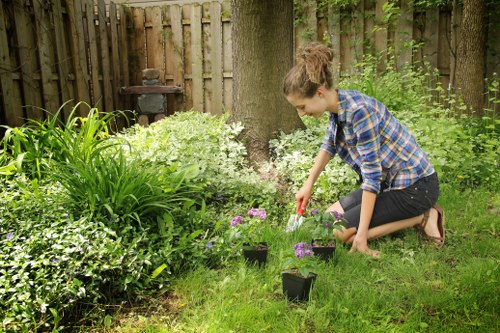
Many customers are unsure what they need to do before asking for a quote. The good news is that the early stage is usually quite simple. The more information you can provide, the easier it is to suggest a practical and realistic solution for your Clapham property.
Useful preparation checklist:
- Think about how you use the garden in the evening
- Decide whether your main priority is ambience, safety, or both
- Note any features you want to highlight, such as trees, walls, or seating areas
- Check whether there are existing lights that you want to keep or replace
- Identify access points, such as rear lanes, side gates, or basement steps
- Consider whether you want switches, timers, dimmers, or sensors
- Look at the space in both daylight and after dark if possible
If you live in a terraced street or a property with restricted access, it can help to mention that early on. Clapham often involves narrow routes, permit considerations for parking, and limited room for materials near the property. A local team used to working in these conditions can plan around them more efficiently and reduce the chance of delays.
H5: A small note on timing
Outdoor lighting can often be planned around your schedule, but it is sensible to allow time for design, product sourcing, and installation. If you are planning for a summer garden party, a restaurant reopening, or a new landscaping project, it is better to arrange the lighting early rather than leaving it until the last minute.
Pricing factors for garden lighting in Clapham
People often ask what affects the cost of a garden lighting in Clapham project. Exact pricing depends on the design, the size of the space, and the amount of electrical work required. It is better to think in terms of project factors rather than fixed pricing, because no two gardens are the same.
Common factors include:
- The number of lights and lighting zones
- The type of fittings selected
- Whether new cables need to be run underground or along existing routes
- The condition and accessibility of the outdoor area
- Whether the installation involves upgrades to existing electrics
- How much labour is needed for preparation and finishing
- Any control systems such as timers, switches, or sensors
Smaller jobs can still be highly effective if the layout is planned well. On the other hand, a more extensive lighting scheme may be worthwhile if you want to use the garden as an extension of the home or if the property has several outdoor zones. The key is value through planning rather than simply adding more fittings.
For landlords and managing agents, budget planning may also need to account for communal use, maintenance access, and long-term durability. For business owners, the priorities may shift toward appearance, reliability, and customer comfort.
H3: Why a local estimate is useful
A local estimate can be more accurate because it takes account of the specific access conditions in the area. Clapham properties can vary significantly even within the same street. A local team is more likely to understand parking restrictions, restricted entrances, basement layouts, and the practicalities of working close to neighbouring homes and businesses.
Why choose a local Clapham company?
Choosing a local team for outdoor lighting offers several practical advantages. It is not only about distance; it is about familiarity with the kinds of properties, access challenges, and customer expectations found across Clapham and the surrounding South London areas. That knowledge can make the whole process smoother.
Reasons local customers prefer a nearby installer:
- Better understanding of local housing styles and garden layouts
- More practical planning for access, parking, and materials handling
- Experience working in terraces, conversions, and compact gardens
- Awareness of the difference between decorative and functional lighting needs
- Easier communication during planning and installation
- Suitable solutions for homes, communal gardens, and commercial outdoor areas
Many Clapham gardens are designed to make the most of limited space. That means every light needs a purpose. A local specialist is more likely to recommend solutions that suit the property rather than using a one-size-fits-all layout. This can be especially helpful when you want a neat look that complements existing landscaping, fencing, brickwork, or exterior finishes.
There is also value in working with someone who understands the rhythm of local life. In busy residential streets, families may want lighting that supports safe access without disturbing neighbours. In hospitality or retail settings, the lighting may need to look good early in the evening while staying comfortable and practical for staff closing up later.
Areas covered around Clapham
Garden lighting work is often requested across Clapham and nearby parts of South London. This can include residential streets close to Clapham Common, properties around Clapham Old Town, Abbeville Village, and surrounding neighbourhoods where outdoor spaces are often compact but carefully used. Many projects also come from nearby areas such as Battersea, Balham, Wandsworth, Brixton, and Stockwell, depending on the property type and project scope.
Different neighbourhoods bring different outdoor lighting requirements. For example, a townhouse with a rear garden may need a more decorative and layered scheme, while a ground-floor flat with a small courtyard may benefit from practical wall-mounted lighting and simple path illumination. Commercial spaces may need brighter entrance lighting, terrace lighting, or feature lighting that supports the identity of the venue.
H4: Suitable for residential and commercial customers
Outdoor lighting services can be adapted for:
- Private homes with rear gardens or front gardens
- Flats with courtyards, terraces, or shared outdoor areas
- Landlords upgrading outdoor safety and presentation
- Restaurants, cafés, pubs, and hospitality terraces
- Retail frontage and entrance lighting
- Offices and mixed-use premises with outdoor access points
Whether the project is small or larger in scale, the goal is the same: create lighting that is reliable, well-positioned, and suited to the setting.
Frequently asked questions
Do I need a big garden for outdoor lighting to work?
No. Smaller gardens often benefit the most because a few carefully positioned lights can change the atmosphere dramatically. Courtyards, patios, and narrow gardens can all be improved with the right arrangement.
Can lighting be added to an existing garden?
Yes, in many cases it can. Existing landscaping, decking, or paving may be used as part of the design, although the exact approach depends on access, wiring routes, and the condition of current electrics.
Is garden lighting only decorative?
Not at all. It can be decorative, but many customers in Clapham choose it for practical reasons such as safety, visibility, and secure access to side paths or entrances.
What if my garden has limited access?
That is very common in Clapham. Narrow side returns, basement steps, and shared access routes can all be worked around with proper planning. A local installer will usually factor this in before the work begins.
Can I control the lights automatically?
Often yes. Depending on the system, you may be able to use timers, sensors, dimmers, or other controls to make the lighting more convenient and energy-conscious.
How long does installation take?
The timing depends on the size of the project and the level of electrical work involved. Smaller upgrades may be completed more quickly than full outdoor lighting schemes, especially if cable routes are straightforward.
What maintenance does garden lighting need?
Most systems need only light maintenance, such as checking fittings, keeping lenses clean, and replacing lamps or components when necessary. Regular checks can help keep the system working well over time.
How to make the most of your lighting investment
If you are planning garden lighting in Clapham, it helps to think beyond the immediate installation. A good outdoor lighting system should continue to suit your needs as your garden changes. Planting grows, furniture moves, and the way you use the space may shift between seasons. Planning with flexibility in mind can make the system more useful in the long term.
For example, dimmable lights can help you switch between relaxed evening use and brighter practical lighting. Separate zones can make it easier to light only the parts of the garden you are using. Weather-rated fixtures should be selected carefully so that the system remains dependable through year-round conditions. If you are renovating the garden, it can also make sense to coordinate lighting with new paving, fencing, planting, or a garden room.
Another useful consideration is balance. The best lighting schemes usually avoid glare and unnecessary brightness. Soft, well-placed light often feels more inviting than a large number of powerful fittings. This is especially true in Clapham’s residential streets, where a tasteful result matters both inside the property and from the outside looking in.
When the lighting is planned properly, it can support everyday life in simple but meaningful ways. Arriving home after dark becomes easier, evening meals outdoors become more enjoyable, and garden features that are invisible by day can become part of the home’s character at night.
Book your service now
If you are ready to improve your outdoor space, request a free quote and speak with a local specialist about your plans. Whether you need subtle feature lighting, practical path lights, or a full garden lighting installation, a well-planned solution can make a real difference to how your property feels and functions.
Contact us today to discuss your Clapham project and arrange the next step.